Anastasia: the DNA that solved the mystery and the questions it left behind
For decades, women around the world claimed to be the tsar's daughter who escaped the firing squad. DNA ruled out survival, but it didn't explain everything.
- When
- July 17, 1918
- Where
- Ipatiev House, Yekaterinburg, Russia
- Status
- Partly explained the main explanation is accepted; details remain open
By The Echoes of the Past team. Published November 2, 2026. 4 min read.
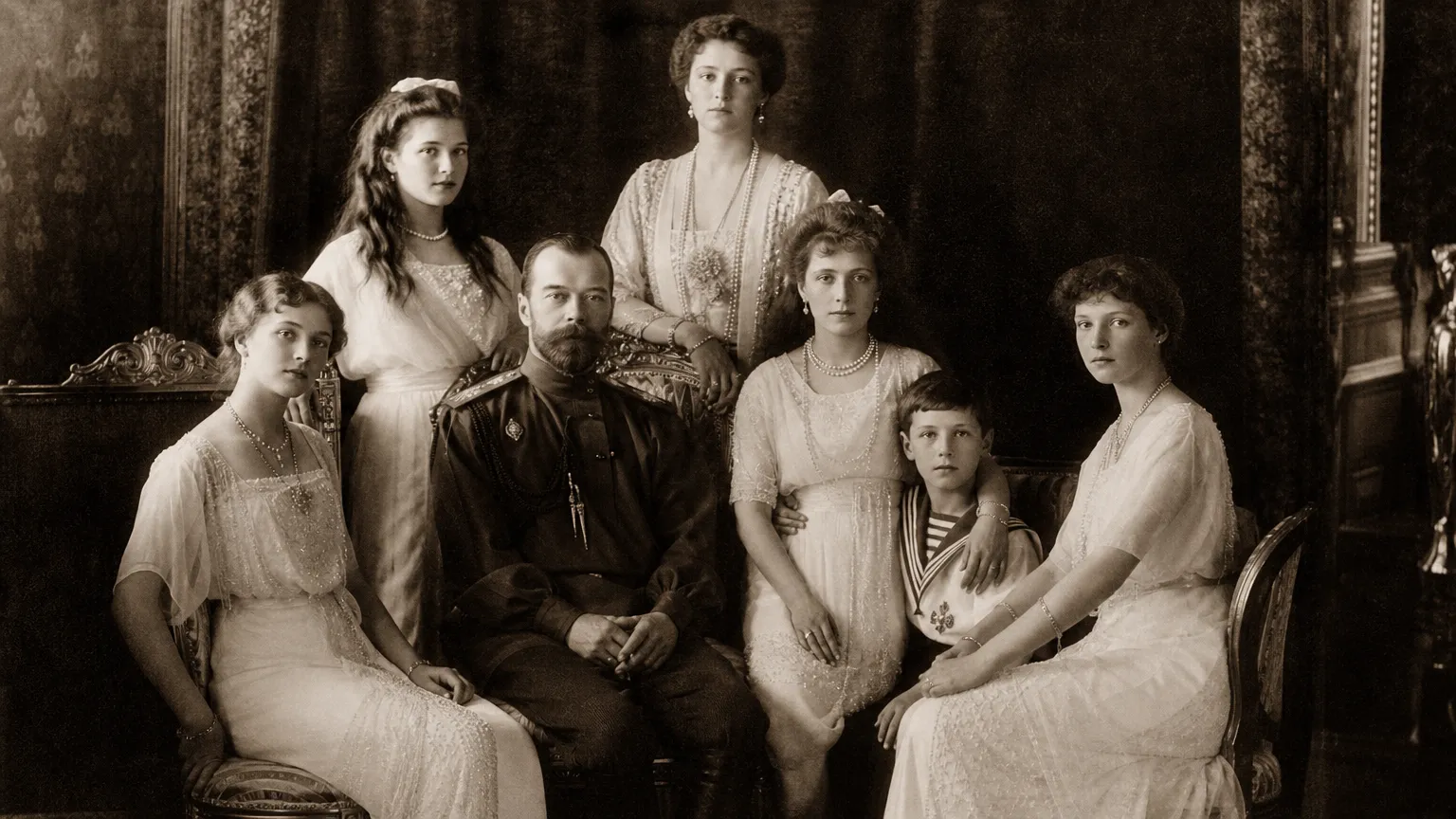
In the early hours of July 17, 1918, in Yekaterinburg, in Russia's Ural region, Tsar Nicholas II, Tsarina Alexandra, their five children (Olga, Tatiana, Maria, Anastasia and Alexei) and four servants were taken down to the basement of the Ipatiev House and shot on the orders of the Bolshevik government.
Or maybe it was six of the eleven. Or seven. Or all eleven.
For decades, the question of how many had survived fueled one of the most tragic and romanticized stories of the 20th century, and it opened the door to impostors, hope-seekers and troubled women who found in Anastasia's identity a way out of their own stories.
Between 1994 and 2009, DNA settled the main question. What remains is subtler, and more disturbing.
The execution and what was found
The execution was recorded by the Bolshevik commander Yakov Yurovsky in a detailed report that sat in Soviet archives for decades. The report described the shooting, the problems the squad ran into (the family wore jewels sewn into their clothing, which deflected the bullets) and the fate of the bodies, which were taken first to an abandoned mine at Ganina Yama and later buried in a pit in the forest.
The bodies were found by Soviet researchers in the 1970s, but the discovery was kept secret. After the Soviet Union dissolved, the site was made public, and formal excavations began in 1991.
Nine bodies were found. Two were missing: analysis of the skeletons showed that the bodies of Alexei and of one of the daughters (identified by some investigators as Maria, by others as Anastasia) were not in the grave.
A second grave, found in 2007 about 70 meters from the first, held the partially cremated bones of two adolescents, identified through DNA analysis as Alexei and Maria.
DNA from the bodies in both graves was compared with blood samples from Prince Philip, Duke of Edinburgh (a relative of Tsarina Alexandra through the maternal line), and with other confirmed members of the family. The match was unequivocal: all eleven bodies had been found and identified.
Anastasia died in Yekaterinburg on July 17, 1918.
Anna Anderson and the myth of the survivor
The most famous of the women who claimed to be Anastasia was Anna Anderson, a woman of uncertain origin who surfaced in Berlin in 1920 after being pulled from a canal where she had tried to drown herself.
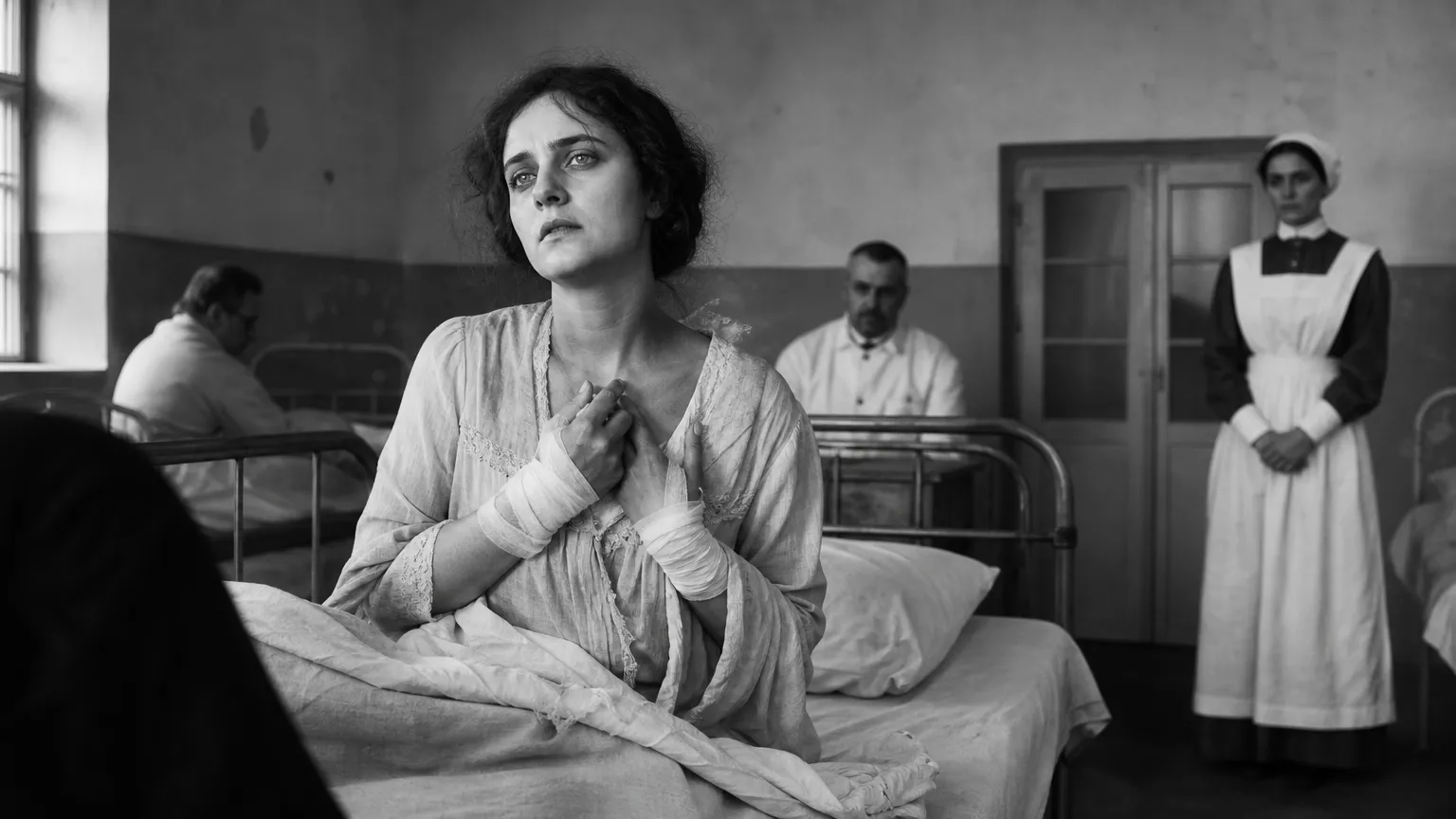
Anderson insisted she was Anastasia. She convinced some people close to the Romanov family. She did not convince others. She spent decades in court trying to be recognized as a Romanov heir. She never succeeded.
When she died, in 1984, a sample of her tissue had been preserved. In 1994, DNA analysis compared that sample with material from the Yekaterinburg bones and with confirmed members of the Romanov family. The result was conclusive: Anna Anderson was not Anastasia. According to further DNA analysis, she was most likely Franziska Schanzkowska, a Polish factory worker who had gone missing in Berlin in 1920.
Together with the two graves, that settled the question of Anastasia's survival. It did not settle every question.

What DNA can't answer
DNA confirmed that every member of the Romanov family was killed and found. What is still debated is the full story of what happened that night. It is the same kind of partial resolution that DNA offered in the case of Kaspar Hauser: it confirmed some things and opened up others.
Yurovsky's report, written years later, was revised several times and contains inconsistencies that historians are still analyzing. The process of destroying the bodies (attempts to burn them and to bury them in different places) was longer and harder than the report suggests.
Then there is the question of what the family knew or suspected before the shooting. Letters found in Russian archives indicate that the tsar held out hope of rescue almost until the very end. The speed with which the execution was ordered and carried out suggests urgency, possibly fear that the approaching White forces might actually free the Romanovs.
Anastasia's tragedy doesn't need survivors to be extraordinary. It is the story of the end of a three-hundred-year dynasty, executed in the basement of a bourgeois house, whose members spent the last months of their lives trying to keep things normal in impossible circumstances.
Anastasia's diaries from her captivity, full of notes about card games, reading and small everyday pleasures in ever darker circumstances, are among the most disturbing human documents of the 20th century. A recorded voice, a confirmed identity, a known fate, and still the sense that something essential remains unknown. It is different from the case of the Isdal Woman, but just as disturbing: no records, an erased identity, an uncertain fate.
For another figure whose story is intertwined with the end of the Romanovs, read about Rasputin. For a case in which the state kept an identity hidden as an instrument of power, see the Man in the Iron Mask. For identity lost in an even more absolute way, see the Isdal Woman and Kaspar Hauser, another case in which DNA solved part of the mystery and left questions open.