Kaspar Hauser: the boy who came out of nowhere and was stabbed before he could tell his story
He arrived with two anonymous letters and a single memorized sentence. Nearly two centuries later, no one has proved where he came from or who wounded him.
- When
- 1828–1833
- Where
- Nuremberg and Ansbach, Bavaria, Germany
- Status
- Under debate competing explanations, no consensus
By The Echoes of the Past team. Published November 2, 2026. 5 min read.

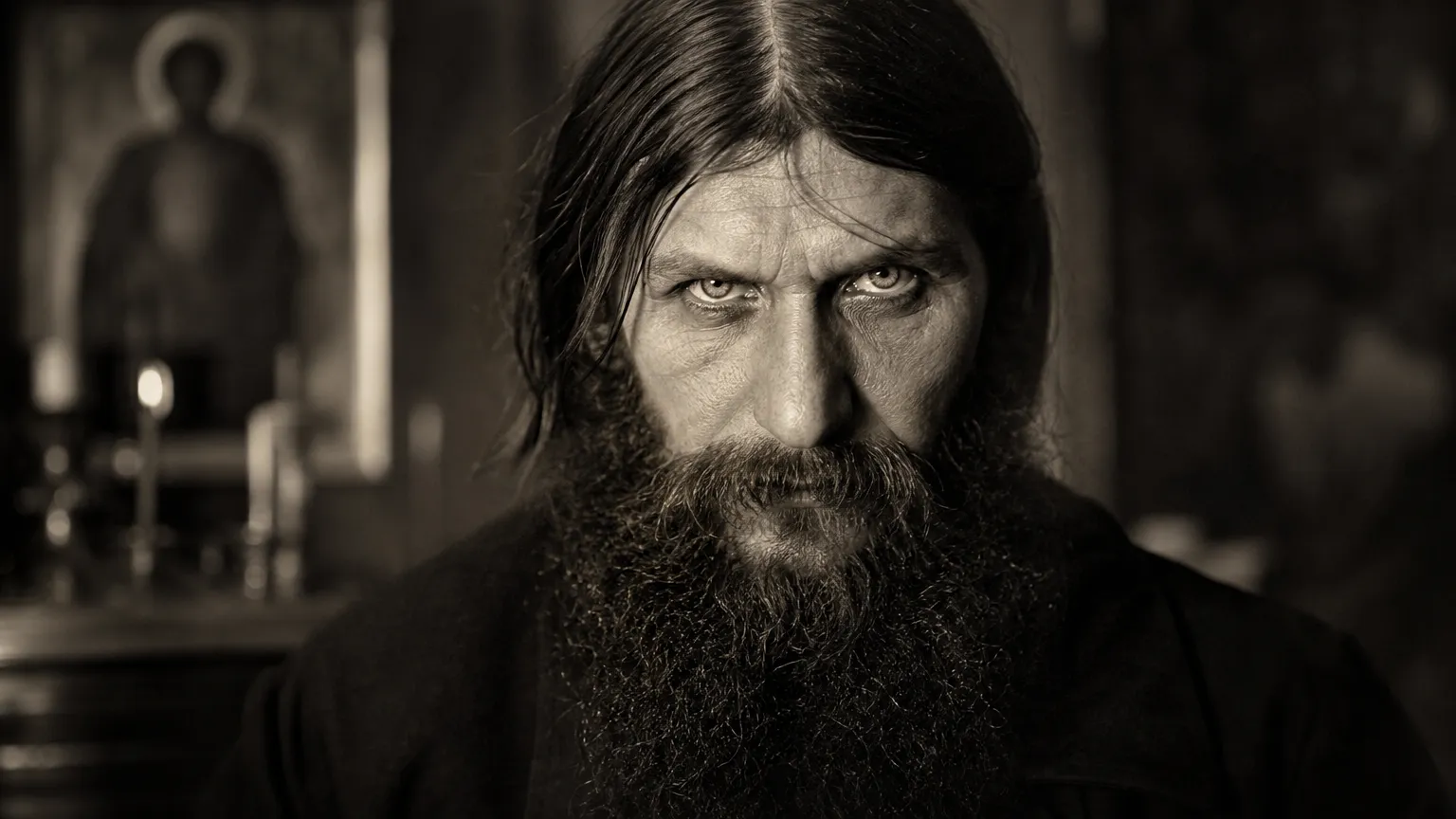
On the afternoon of May 26, 1828, a teenager appeared on the streets of Nuremberg, in Bavaria. He could barely walk. He could barely speak. He only repeated one sentence in rudimentary German: "I want to be a cavalryman like my father." He carried two letters: one addressed to the captain of the local cavalry, the other supposedly written by his mother sixteen years earlier.
The letters explained nothing. There was no sender's name, no return address, no verifiable information.
The boy, who identified himself only as Kaspar Hauser, did not know where he came from. He did not know how old he was. He did not know what a tree, an animal or the sky was. He seemed to have spent his entire life in an enclosed space, with no contact with the outside world.
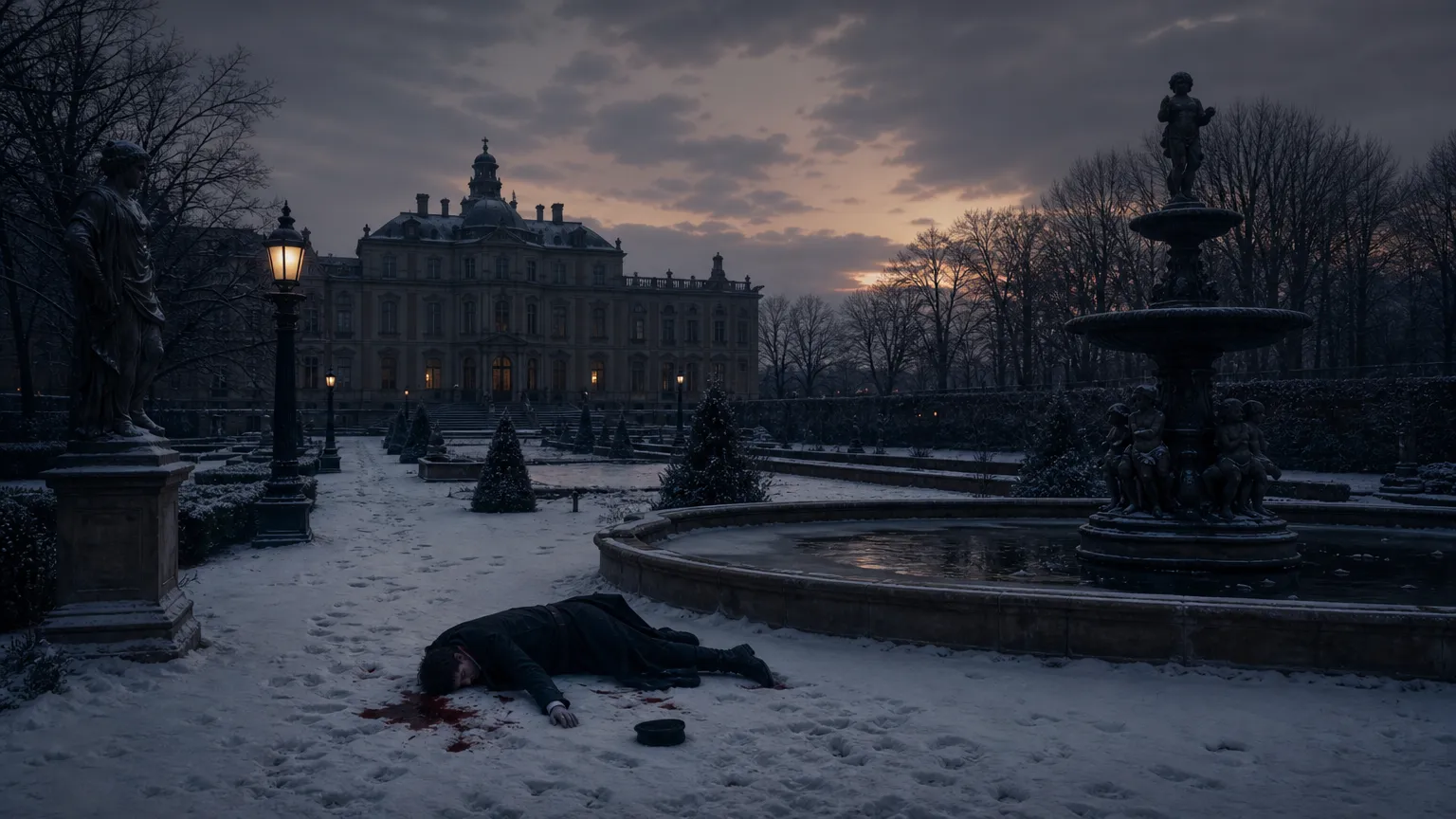
Five years later, in December 1833, Kaspar Hauser was stabbed in the chest in the palace garden in Ansbach. He died three days later. If there was a murderer, he was never identified.
The story he told
With time and the care of devoted tutors, Kaspar Hauser learned to speak, read and write. And he began to tell what he knew about his past, which was very little.
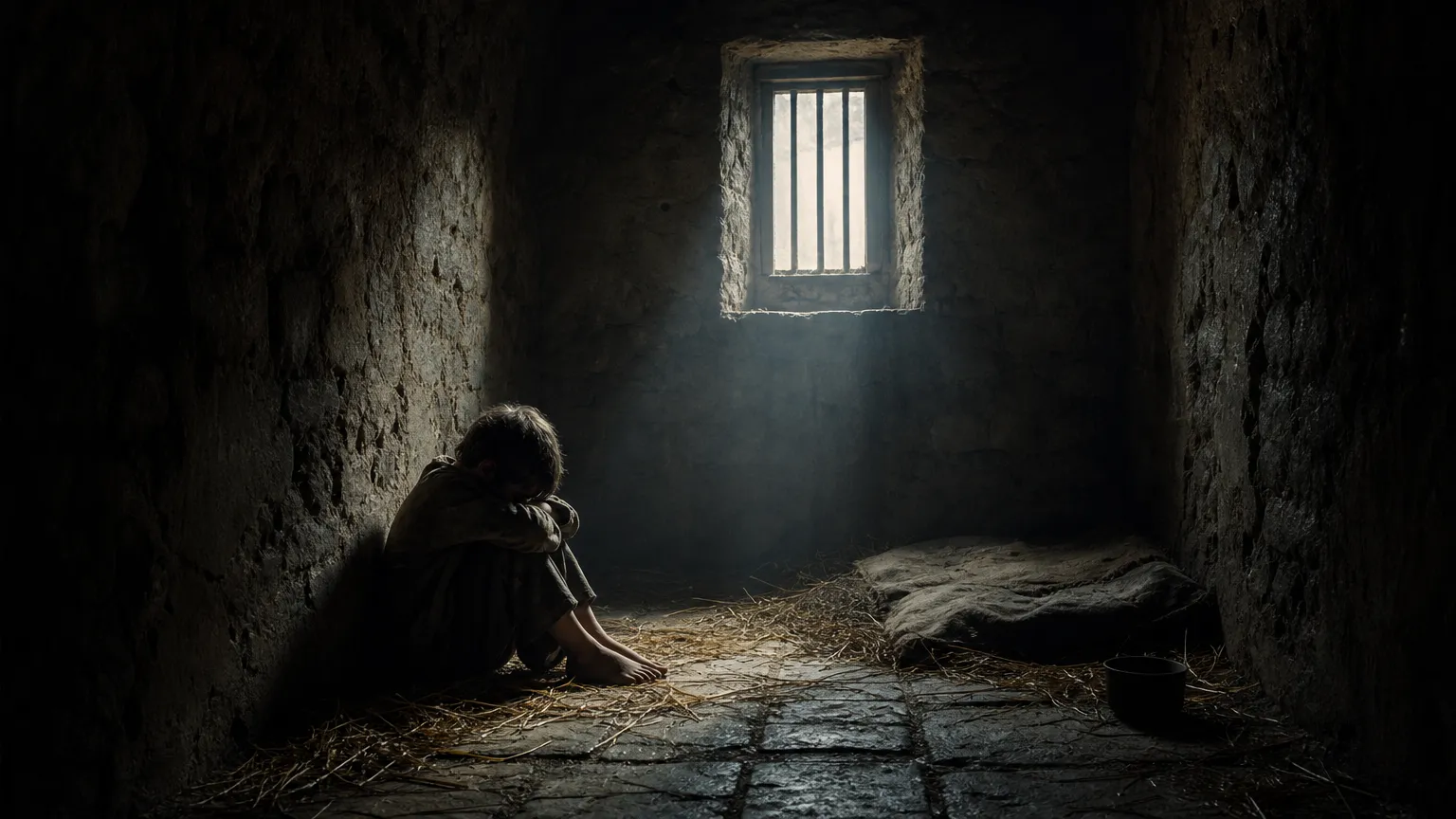
He described having lived in a small, dark space, a kind of cell, for as long as he could remember. He slept on straw on the floor. He was given bread and water by a man who never showed his face. He saw no one but this man. He had no toys, no books, no contact whatsoever with the outside world.
One day, shortly before he appeared in Nuremberg, the man came into his space and began teaching him to walk and to repeat the phrases he would later use. Then he took him to some unknown place and left him there.
He knew nothing more than that. And there was no way to verify what he did know.
The noble hypothesis
Nuremberg was soon buzzing with speculation about Kaspar's origins. His physical appearance (delicate features, an aristocratic bearing, a strange sensitivity that impressed those who knew him) fed what would become the most enduring hypothesis: Kaspar Hauser was supposedly a prince of the House of Baden, the legitimate son of Grand Duke Charles of Baden and Princess Stéphanie de Beauharnais (Napoleon's adopted daughter), swapped at birth for a sickly baby who died soon after.
The motive would have been the succession to the Grand Duchy of Baden. If Kaspar was the rightful heir, his existence threatened the heirs who were in power. Keeping him isolated would have been a way to keep him alive without letting him claim his throne. The murder, years later, would have been the last resort, once it became clear that Kaspar's identity could be established.
The hypothesis is appealing and well constructed. And it is supported by a few coincidences of dates and by the intense interest the House of Baden showed in controlling the investigations into Kaspar's origins.
DNA analyses carried out in 1996 and 2002, comparing samples attributed to Kaspar with descendants of the House of Baden, produced conflicting results, inconclusive rather than definitive. One analysis said there was enough of a match to support the noble hypothesis. The other said there was not.
The death and what remains unsolved
On December 14, 1833, Kaspar Hauser went to the palace garden in Ansbach after receiving a message saying that someone would reveal information about his origins. He came back with a knife wound in his chest.
Before he died, he described his attacker as a middle-aged man with a mustache, wearing a dark cloak. He said the man had handed him a purse and that inside it there was a note.
The note was written in mirror writing and, once deciphered, read: "Hauser will be able to tell you exactly how I look and where I come from. [...] I will even tell you the name: M. L. Ö."
The note was useless as evidence: it identified no one. The attacker was never found. The investigation was gradually abandoned.
Kaspar Hauser's death created two opposing camps: those who believed he had been murdered to silence him before his identity could be established, and those who suggested that he had inflicted the wound on himself to draw attention or win sympathy, and that his death had been an accident.
That second hypothesis, argued with some intensity in the months after his death, is hard to reconcile with the nature of the wound (deep, at an angle that is difficult to self-inflict) and with Kaspar's general behavior over the previous five years.
The mystery remains unsolved.
What Kaspar Hauser represents
Regardless of who he was (prince or impostor, victim or performer), Kaspar Hauser became one of the most studied cases in history of human development under extreme isolation.
What his case suggests: a human being deprived of language, social interaction and contact with the world during the formative years develops profound impairments that are partly reversible with later exposure. Kaspar learned to speak, to read, to relate to others, but never completely. Something was missing that the isolation had kept from forming.
This aspect of the case, separate from the question of identity, has been studied by linguists, psychologists and child development researchers for almost two centuries. The extreme deprivation of identity that Kaspar suffered has a disturbing echo in the Isdal Woman, who actively erased all evidence of who she was, producing the same identity vacuum, but deliberately.
And the question of his identity still has no definitive answer. Who put that boy in a cell? Why? Who killed him? Why?
The answers, if they exist, lie in some 19th-century archive of the House of Baden, or were destroyed along with the people who knew them. It is the kind of open question that DNA has helped settle in similar cases, such as that of Anastasia Romanov, where genetic analysis ended decades of debate about her survival, but that in Kaspar's case has only created new debates.
Kaspar Hauser is one of many historical figures whose true identity remains unknown. Read also about the Man in the Iron Mask, about the Count of Saint-Germain and about the Isdal Woman. For an identity mystery that science partly solved but that sparked decades of debate, see Anastasia Romanov.