Cagliostro: the alchemist who fooled kings, or the man who knew things he should not have known
Born Giuseppe Balsamo, the son of a bankrupt Palermo merchant, he became a count, was received by kings, and died in the dungeons of San Leo.
- When
- 1743–1795
- Where
- Europe, from Palermo to San Leo (Italy)
- Status
- Under debate competing explanations, no consensus
By The Echoes of the Past team. Published November 2, 2026. 3 min read.
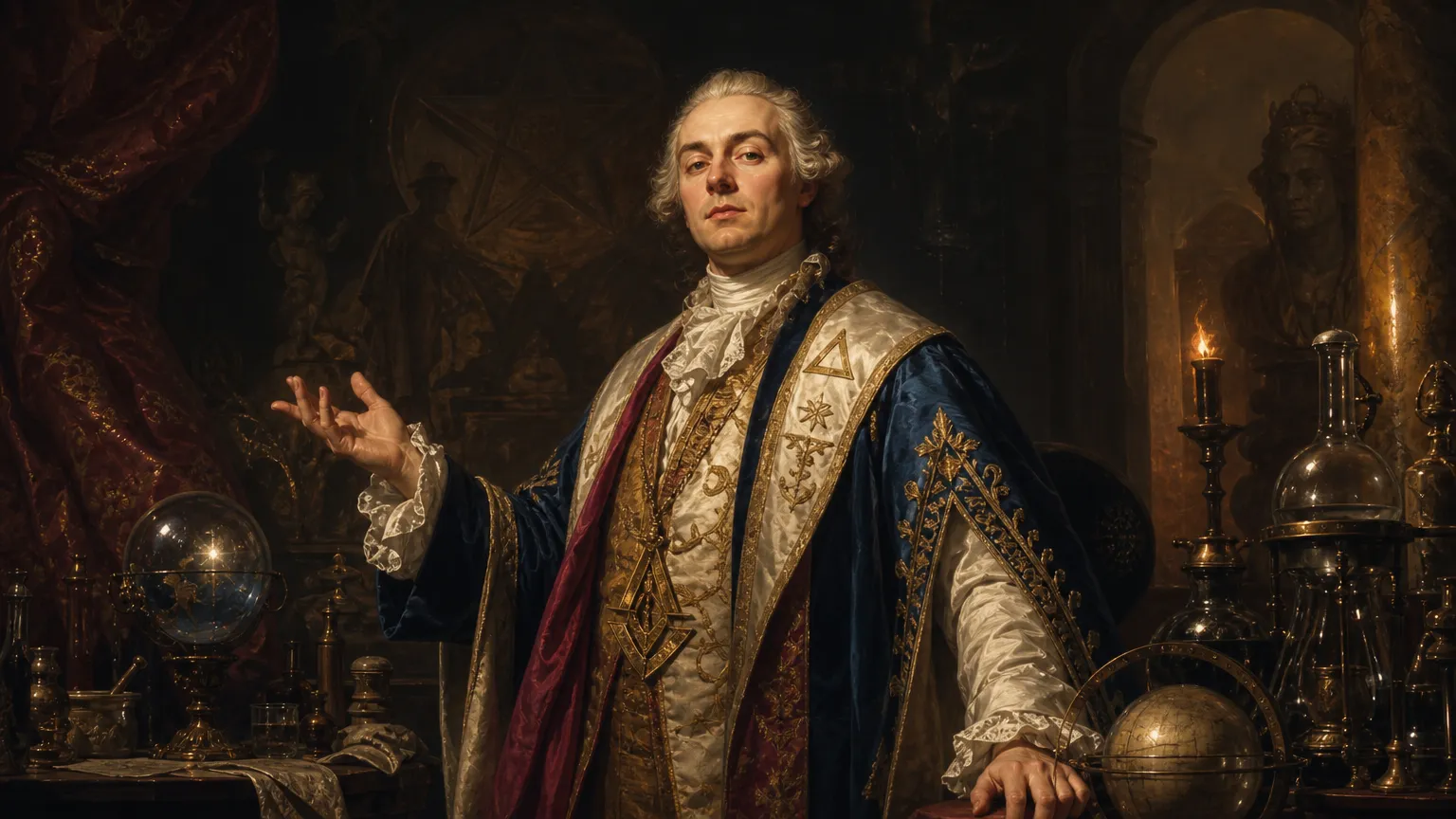
Alessandro di Cagliostro, born Giuseppe Balsamo in Palermo in 1743, according to the records, was sentenced to death by the Inquisition in 1791 for heresy, Freemasonry, and magic. The sentence was commuted to life imprisonment. He died in the dungeons of San Leo, in Italy, in 1795.
Between his birth and his death lay fifty years during which this son of a bankrupt Sicilian merchant moved through the most important courts of Europe under the title of count, is said to have cured illnesses that doctors could not treat, claimed to be hundreds of years old, founded lodges of Egyptian Freemasonry in dozens of cities, was received by kings and queens, and became entangled in the Affair of the Necklace, the scandal that helped destroy Marie Antoinette's reputation and lay the psychological groundwork for the French Revolution.
The question about Cagliostro is not whether he was charismatic and extraordinarily intelligent. He clearly was. The question is: was there anything real behind the performance?
What the witnesses recorded
The witnesses who described Cagliostro in action are numerous and include people of considerable credibility for the time: nobles, physicians, government officials.
What they describe: cures of illnesses in patients whom doctors had already given up on, through methods that included unusual medicinal plants and techniques we would now recognize as hypnosis and therapeutic suggestion. The production in the laboratory of chemical substances with unusual properties, demonstrated before witnesses. The creation of Masonic rituals that included practices his contemporaries considered genuinely effective for inducing altered states of consciousness.
Goethe, who personally investigated Cagliostro's claims during a trip to Sicily in 1787, wrote about his findings with skepticism, but without managing to fully dismantle the figure. It is the same productive skepticism that modern researchers apply to the Voynich Manuscript: impossible to confirm, impossible to disprove, impossible to ignore. The Balsamo family in Palermo confirmed his identity, but the details of how the Sicilian boy became the Count of Cagliostro remained obscure.

What the Inquisition found
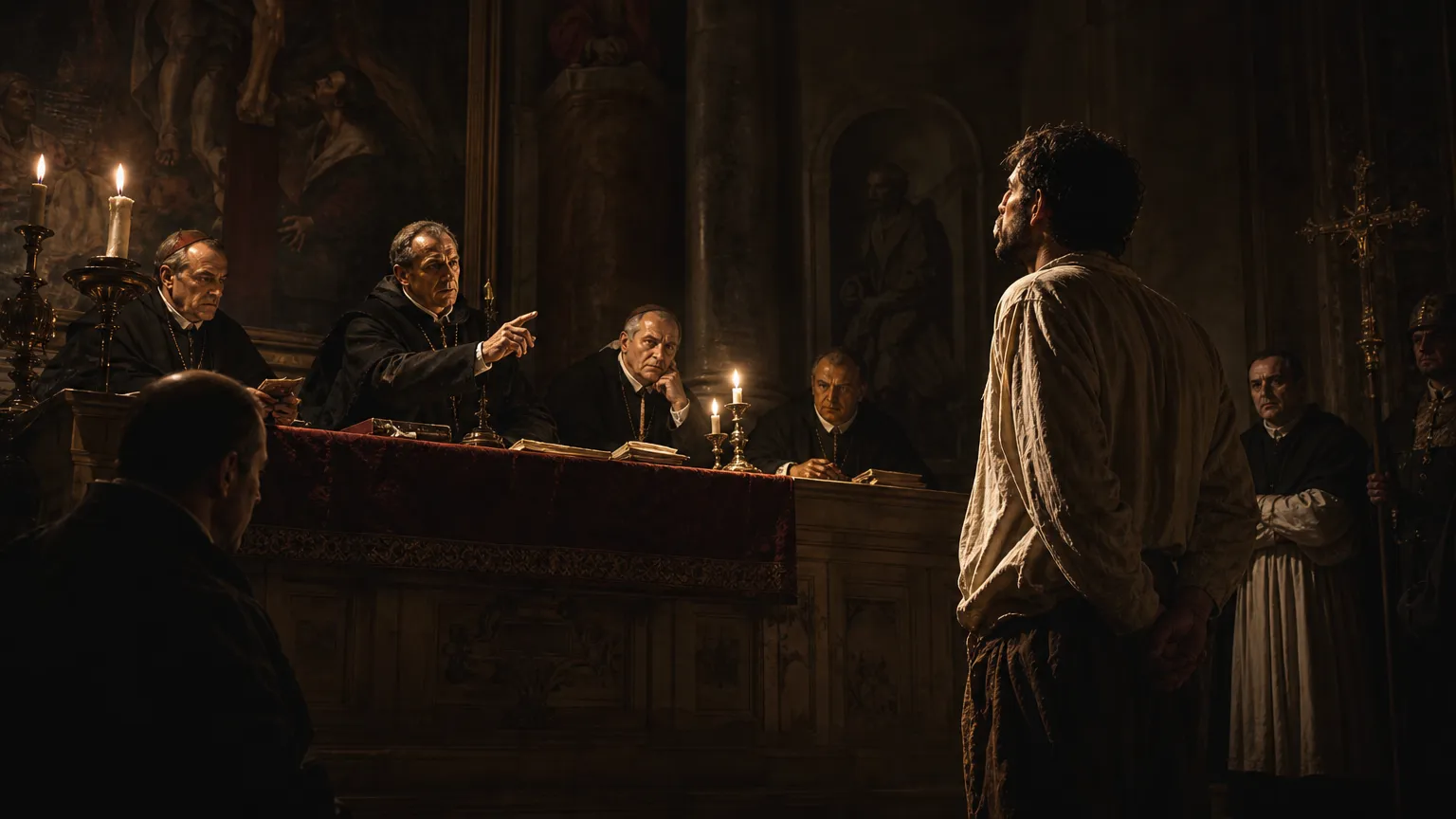
Cagliostro's trial before the Roman Inquisition produced extensive documents. The inquisitors were educated, methodical men, and their records reveal both what they found and what they did not.
What they found: evidence of Masonic practices (a crime sufficient for conviction). Evidence that he had created unauthorized religious rituals. Correspondence suggesting contacts with suspicious figures all over Europe.
What they did not find: evidence that the cures were fraudulent (several documented cases involved people who had improved). They did not find the fortune he should have amassed if he had been a successful charlatan: Cagliostro died in prison without means. They found no conclusive evidence of who his mentors were or of who had taught him what he knew.
The Inquisition obtained a confession, but confessions made under the interrogation conditions of the 18th century have limited value as evidence.
Cagliostro remains a figure the 18th century could not fully pin down, and neither can the 21st. He was not alone: Nicolas Flamel, four centuries earlier, had likewise eluded the 14th century, and Nikola Tesla, a century later, would elude the 20th.
For other figures of the same period who defied classification, read about the Count of Saint-Germain, whom Cagliostro is said to have met in person, and about Rasputin, who wielded similar influence a century later. For the medieval roots of the same alchemical tradition, see Nicolas Flamel.