Flight MH370: what the data reveals and why the largest missing aircraft in history has still not been found
A Boeing 777 with 239 people aboard vanished from radar in 2014. Pings to a satellite showed where it went. The why is still missing.
- When
- March 8, 2014
- Where
- Southern Indian Ocean, west of Australia
- Status
- Under debate competing explanations, no consensus
By The Echoes of the Past team. Published November 2, 2026. 5 min read.
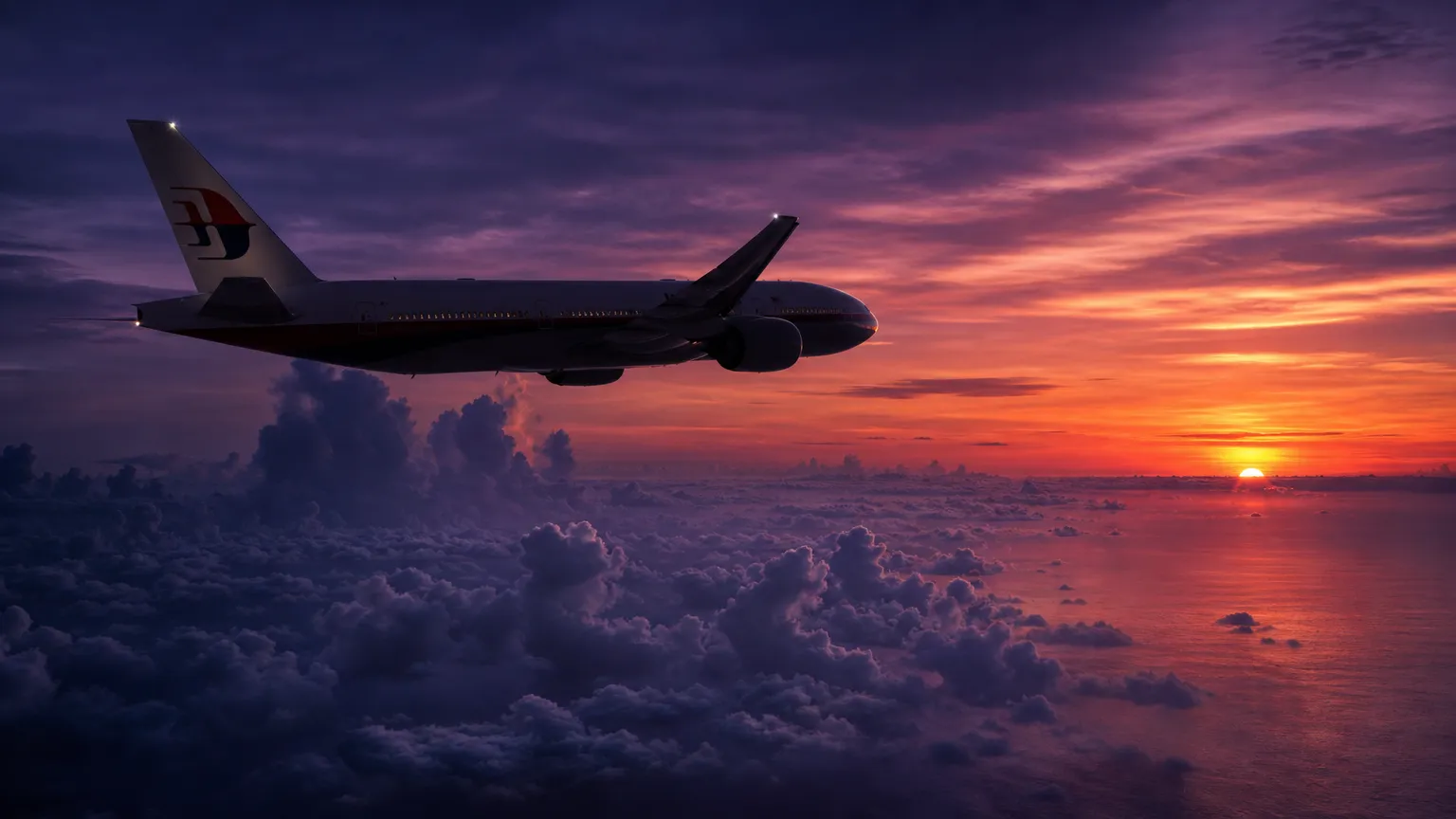
In the early hours of March 8, 2014, Malaysia Airlines flight MH370 took off from Kuala Lumpur bound for Beijing with 239 people aboard. At 1:19 a.m., the first officer made the last radio call to air traffic control: "Good night, Malaysian three seven zero."
Forty-seven seconds later, the plane's transponder, the device that reports position and altitude to radar, stopped transmitting.
The Boeing 777 vanished from civilian radar.
What followed was the largest maritime search operation in history, which over the years swept millions of square kilometers of the Indian Ocean. The plane has still not been found. The 239 people are still missing. And the reason the flight ended the way it did remains unknown.
What the satellite data revealed
The MH370 story has one element that sets it apart from other disappearances: the data.
After the transponder stopped transmitting, the plane kept sending handshake signals to a satellite operated by the company Inmarsat: periodic pings that the system sends automatically, regardless of anything the crew does, to check the connection.
These pings do not transmit position; they only confirm that the plane is still in contact with the satellite. But analyzing the response time and the Doppler shift of the pings makes it possible to infer, within a margin of error, the plane's distance from the satellite at each point.
The Inmarsat data, analyzed by British engineers after the disappearance, revealed that MH370 kept flying for about 7 hours after the last radio contact. And that, instead of continuing toward Beijing, it had turned and flown south, toward the southern Indian Ocean.
The last ping, at 8:19 a.m., placed the plane on an arc of possible positions covering a huge stretch of the southern Indian Ocean, west of Australia.

Why the plane has not been found
The searches in the area defined by the Inmarsat data were the largest and most technologically advanced in aviation history. Autonomous underwater vehicles, high-resolution sonar, and surveys by several countries covered more than 120,000 square kilometers of the ocean floor.
The problem is the depth and the size of the area. The southern Indian Ocean in that region is 3,000 to 6,000 meters deep. The seabed is mountainous and rugged. And the search area, even narrowed down by the satellite data, was still enormous.
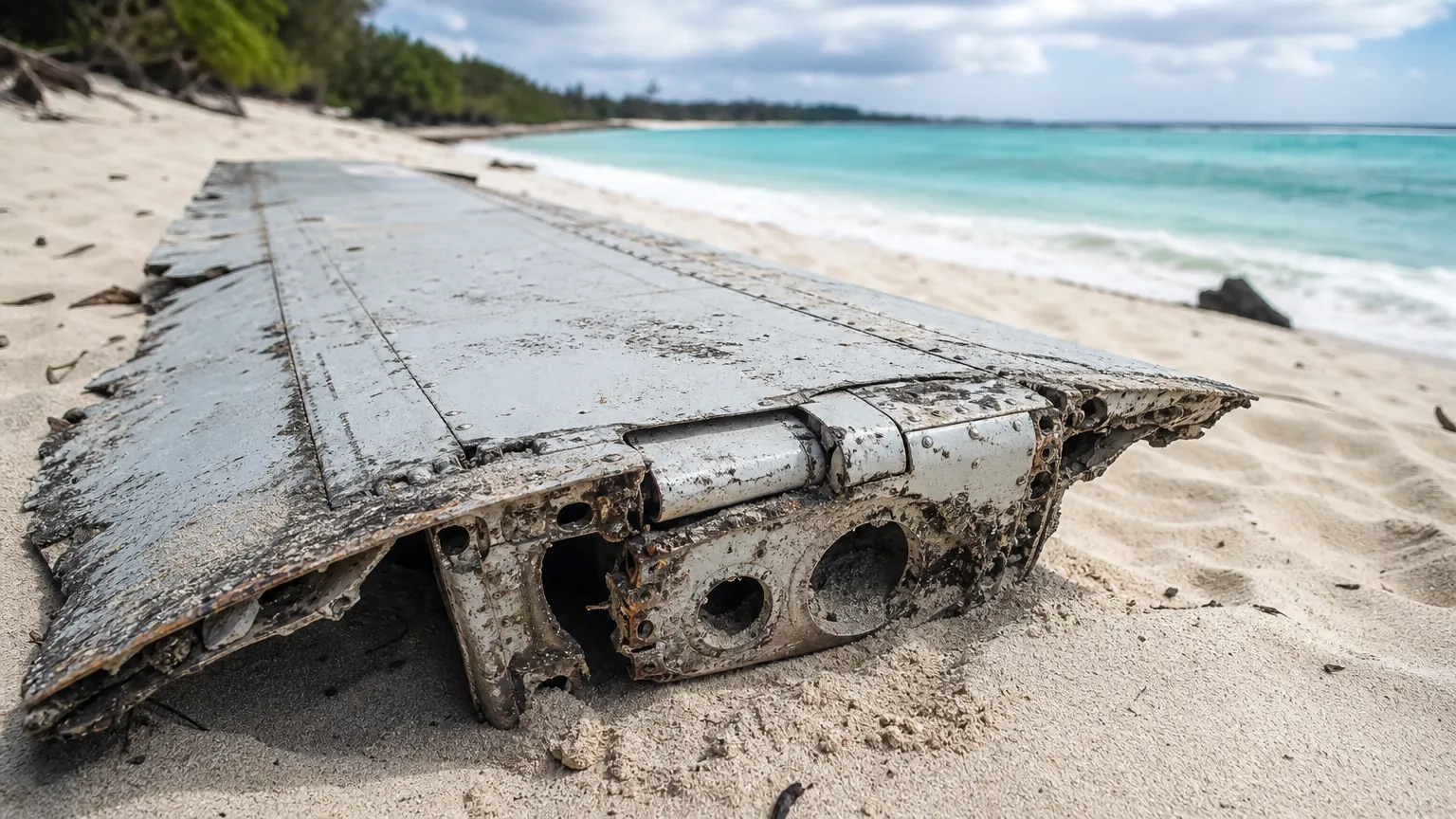
Small pieces of the plane washed up on beaches. A section of wing, a part called a flaperon, was found on the island of Réunion, in the Indian Ocean, in July 2015. Analysis confirmed it came from MH370. Other fragments turned up over the years on beaches in East Africa and Madagascar, consistent with drift from a crash area in the southern Indian Ocean.
The plane sank in the Indian Ocean. That much is established with reasonable certainty by the combined data.
Exactly where it lies on the ocean floor has still not been determined.
What happened in the cockpit
This is the question the data does not answer, and the one that troubles people most. It is structurally identical to what investigators face in the Dyatlov Pass incident: the physical facts are documented, but the decision that led people to a catastrophic end remains out of reach.
Everything suggests that someone turned off the transponder. That someone changed the plane's course to the south. And the plane kept flying for 7 more hours, toward nowhere.
Investigators identified three categories of hypotheses:
Deliberate action by someone on board: The changes to the route and the equipment were made in a way that requires advanced technical knowledge of aviation. The hypothesis investigators have considered most is that the captain or the first officer deliberately changed course. Investigators examined both men's personal histories, finances, and patterns of behavior at length without finding a conclusive motive for a suicidal or terrorist act.
Crew incapacitation and a ghost flight: A catastrophic decompression could have incapacitated or killed everyone on board, with the plane continuing on autopilot until it ran out of fuel. But that does not explain the deliberate course changes and the disabling of the transponder.
Hijacking: Someone may have taken control of the plane. The investigation into every passenger did not identify any obvious suspect.
None of these hypotheses has been definitively confirmed or ruled out. Without the black boxes, which lie at the bottom of the Indian Ocean in a still unknown location, the question "why" may never be answered.
What the families are still waiting for
For the families of the 239 people aboard MH370, the lack of answers is a particular kind of trauma: grief without certainty, loss without explanation, no possibility of closure.
Malaysia Airlines and the Malaysian government were widely criticized for how they communicated (and failed to communicate) information in the weeks after the disappearance. The Inmarsat data was kept secret for weeks before it was released, a decision that fueled distrust and theories that filled the information vacuum. The official opacity recalls what happened after the 1942 Battle of Los Angeles, when two members of the U.S. cabinet gave contradictory accounts of the same event on the same day.
A private company, Ocean Infinity, carried out additional searches in 2018 using more advanced technology than the earlier government searches. It did not find the plane. It proposed resuming the search in 2024, but negotiations with the Malaysian government had not been concluded at the time this article was published.
MH370 lies at the bottom of the Indian Ocean. With it are the answers that the families of the 239 people aboard are still waiting for.
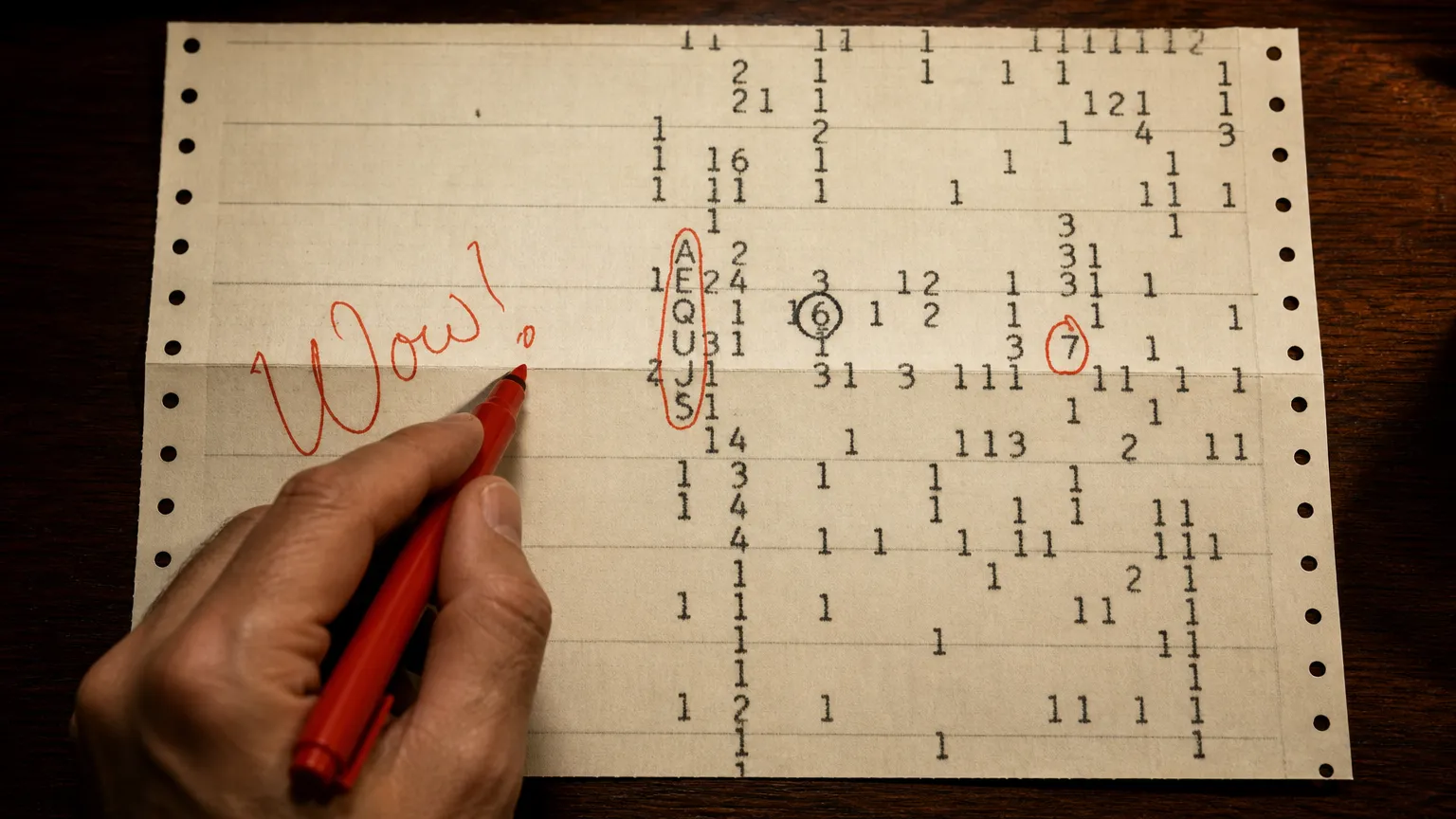
For other events where the full explanation remains out of reach, read about the Wow! signal and the Dyatlov Pass incident. For the figure whose disappearance is as final as MH370's, see D.B. Cooper.